Nano Banana is an AI image-generation and editing model associated with Google’s Gemini ecosystem. It is designed to understand natural-language instructions and use them to create or modify visual content.
Instead of relying entirely on traditional image-editing software, users can describe what they want to change in an image and let the AI handle the transformation.
1. AI Image Generation
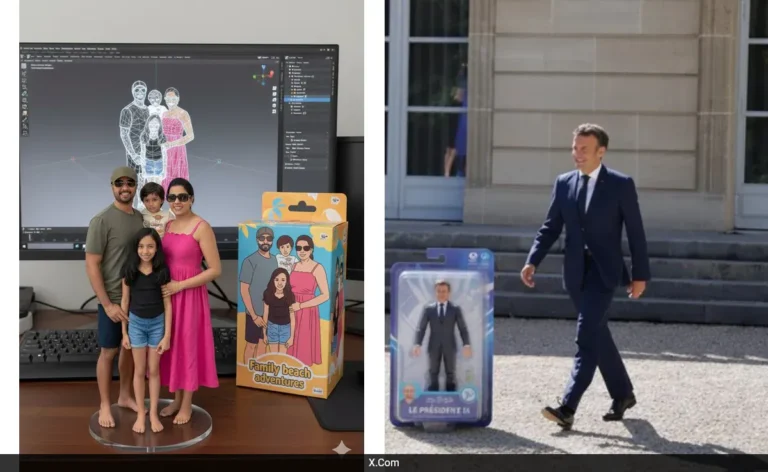
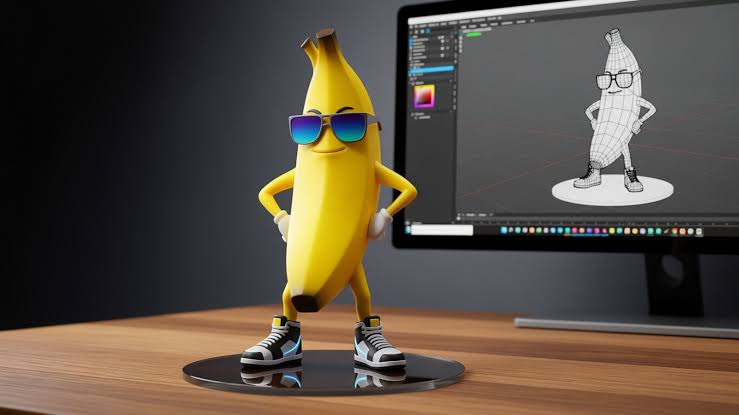
Nano Banana can generate visual content based on text instructions. Users can describe a scene, character, product concept, or creative idea and use AI to turn that description into an image.
This can be useful for brainstorming and creating visual concepts without starting from scratch.
2. Image Editing With Natural Language
One of the most interesting aspects of Nano Banana is AI-powered image editing. Users can provide an existing image and describe changes they want to make.
For example, an instruction might ask the AI to change the background, modify an object, adjust clothing, or alter the overall appearance of an image.
3. Character and Object Consistency
AI image editing can sometimes struggle to maintain the identity of subjects between edits. Nano Banana is designed to improve consistency when modifying images, making it useful for workflows that require multiple changes to the same subject.
4. Creative Transformations
The tool can be used for a wide variety of creative transformations. Users can experiment with different visual styles, environments, compositions, and concepts through simple prompts.
This makes it useful for social media graphics, concept development, illustrations, and creative experimentation.
5. Conversational Editing
Rather than learning complicated editing controls, users can communicate with the AI conversationally. They can describe an adjustment and refine the result through additional instructions.
This makes AI image editing accessible to people who may not have professional design skills.